
Pseudofolliculitis Barbae (Razor Bumps)
A gentler shave starts with how hair grows.

01 What razor bumps mean
Pseudofolliculitis barbae (PFB) is inflammation caused when cut or removed hairs grow back into the skin. Often called razor bumps, it commonly affects the beard and neck. Curly, coarse hair is more prone to it. Bumps can itch, feel tender, and leave dark marks or scars. 1
What raises the risk 1, 2
- Curved, coarse hair
- An excessively close shave
- Shaving against hair growth
- Stretching skin while shaving
02 Three shaving priorities
Soften and lubricate
Shave after a shower or use a warm, damp cloth. Cleanse first and apply moisturizing shaving cream rather than shaving dry. 2
03 Care considerations
Glycolic acid
This exfoliating acid may help reduce new bumps in suitable skin. 1, 3, 6
It can irritate. Avoid open cuts; follow the label and seek advice if skin is reactive.
Moisturizing care
Moisturizer helps counter dryness, including after exfoliation. 3, 5
Boley is a moisturizing option for normal-to-dry skin; avoid it if fragrance-sensitive. Strong scrubs or peels may worsen irritation.
Persistent or severe bumps
A dermatologist may consider prescription treatments or laser hair reduction. 1
Bacterial folliculitis can look similar or coexist; not every bump needs antibiotics.
04 MANË products for supportive care
Match the product to your skin's needs. These cosmetic options support care; they are not cures for razor bumps.
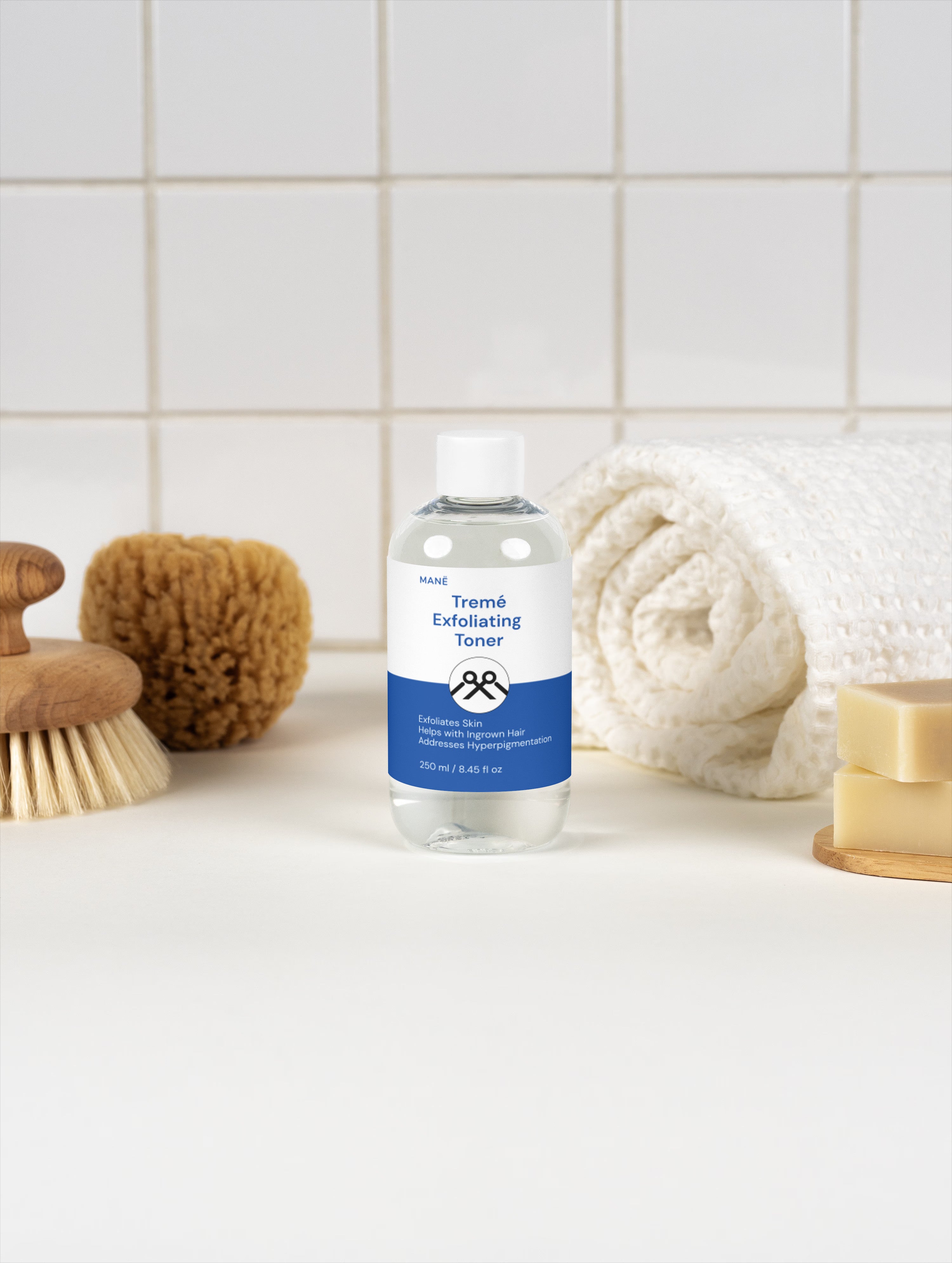
Exfoliation · 5% glycolic acid
Tremé Exfoliating Toner
Surface exfoliation for smoother-looking skin. Patch test first. Apply to clean, dry skin on 1–2 non-shaving evenings per week, then moisturize. Contains alcohol; check packaging for the full ingredient list. 4
View product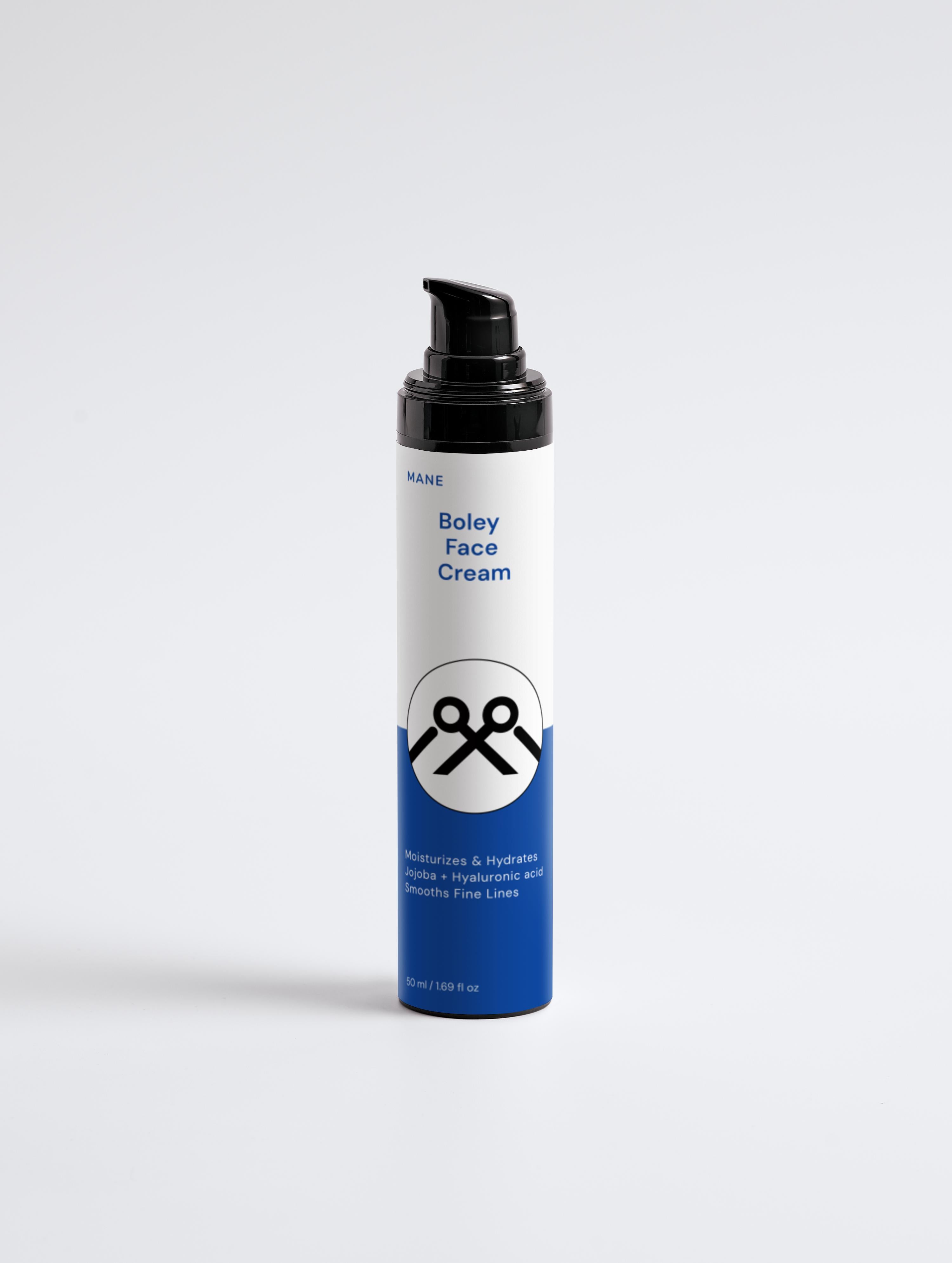
Moisturizing care
Boley Face Cream
Hydration for normal-to-dry skin with glycerin, jojoba oil and hyaluronic acid. Apply to clean face and neck in the morning, before sunscreen. Contains fragrance; avoid if fragrance-sensitive and stop if irritation occurs. 5
View product