
MANË RESOURCES Hair knowledge
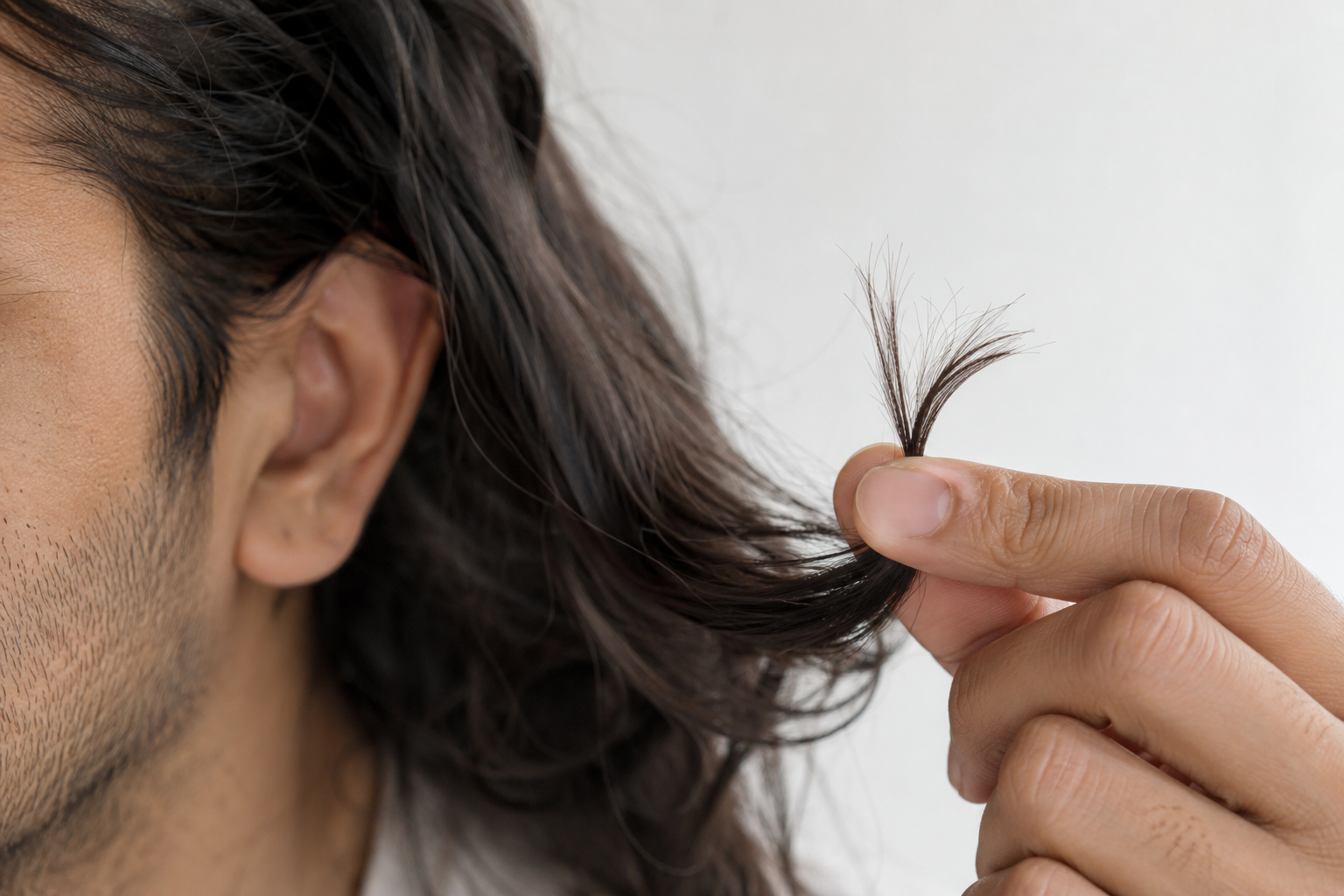
Trichoptilosis (Split Ends) / Cuticle Fracturing
Protect the strand and manage the damaged ends.

01 Understand the term
Trichoptilosis is splitting at the end of the hair shaft. Cuticle damage can accompany hair fragility, but “cuticle fracturing” is a broader descriptive phrase. Split ends concern the strand, not proof of a diseased follicle, and should be distinguished from shedding whole hairs from the scalp. 1, 2
Relevant factors 2
- Repeated combing and grooming stress
- High heat
- Chemical processing
02 Three care priorities
1
2
Condition before handling
Use conditioner and gently release tangles rather than pulling through snagged ends. 3
03 Care considerations
04 Supportive MANË care
Explore care options for your routine. Use each product according to its directions.
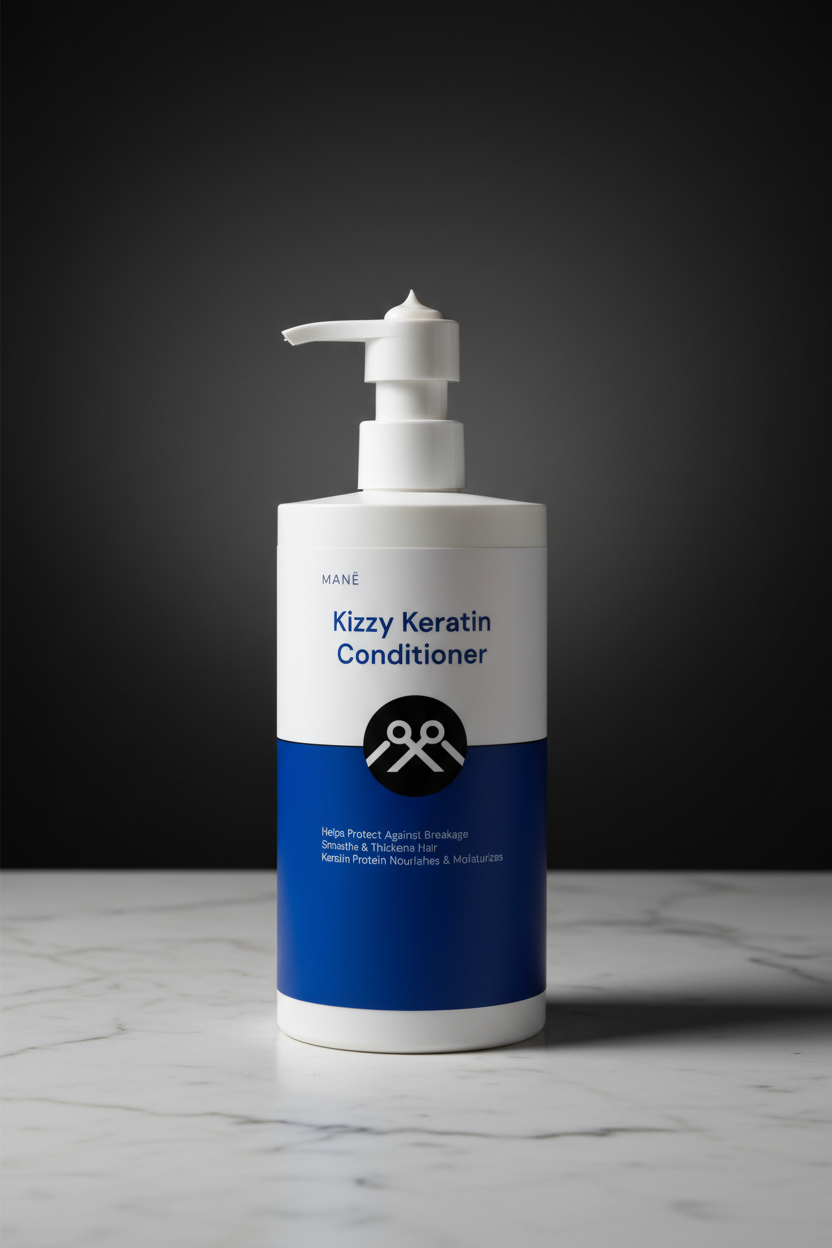
Conditioning support
Kizzy Keratin Conditioner
Apply to wet mid-lengths and ends after shampoo. Leave 2–3 minutes, then rinse. Contains fragrance and essential oils; avoid irritated scalp. 5
View product